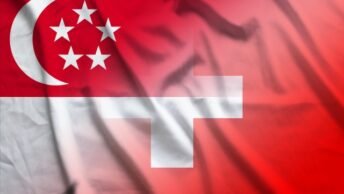


What does “Made in Switzerland” really mean?
“Made in Switzerland” is one of the most powerful origin labels in the world, instantly evoking images of precision watches, pristine alpine production, and meticulous craftsmanship. For consumers, it signals trust, quality, and durability; for companies, it represents a valuable competitive advantage built over decades. Yet behind this simple label lies a carefully defined legal framework and an evolving debate about what truly constitutes “Swissness” in a globalised economy. As production networks stretch across borders, Switzerland is being challenged to balance authenticity with economic reality making the meaning of “Swiss Made” more relevant, and more contested, than ever.
🇨🇭 The Swiss Cross and Its Value
The Swiss cross a white cross on a red background is one of the most recognisable national symbols in the world. According to the Swiss Federal Institute of Intellectual Property (IPI), the “Swiss Made” reputation contributes around CHF 7 billion annually to the Swiss economy.
Government-backed estimates suggest up to 20% added value for agricultural and typical Swiss products, 50% added value for luxury goods, and around 40% average premium across sectors (University of St. Gallen studies). This premium exists because consumers associate Swiss products with high standards and credibility.
The Legal Definition of “Swiss Made”

Switzerland formalised strict “Swissness” rules in 2017 to protect its brand. These rules are backed by federal law and enforced by authorities.
Key requirements
Industrial products (e.g., machinery, clothing) at least 60% of manufacturing costs must occur in Switzerland and the essential production step must take place in Switzerland.
Watches (special rule) at least 60% of the movement must be Swiss-made and development and final assembly must occur in Switzerland.
Food products at least 80% of raw materials (by weight) must come from Switzerland, exceptions exist (e.g., cocoa in chocolate), but recipe and production must be Swiss.
These rules ensure that “Swiss Made” reflects real economic activity in Switzerland, not just branding.
Examples of Swissness in Practice
Toblerone had to remove the Matterhorn image from its packaging when production moved abroad. Ricola adjusted sourcing to maintain its Swiss identity. Victorinox develops products in Switzerland but manufactures some (like luggage) abroad. These cases show how strictly the rules have been applied.
The 2026 Change: “Swiss Engineering”
A recent update by the Swiss Federal Institute of Intellectual Property has softened the rules. Products may now display the Swiss cross if they are based on Swiss research, design, or engineering, even if manufacturing happens abroad however, the cross must appear alongside terms like “Swiss Engineering” and “Swiss Research”
This reflects the reality that many Swiss companies keep R&D and design in Switzerland and move production overseas due to costs or trade pressures
A Real-World Case “On Running”
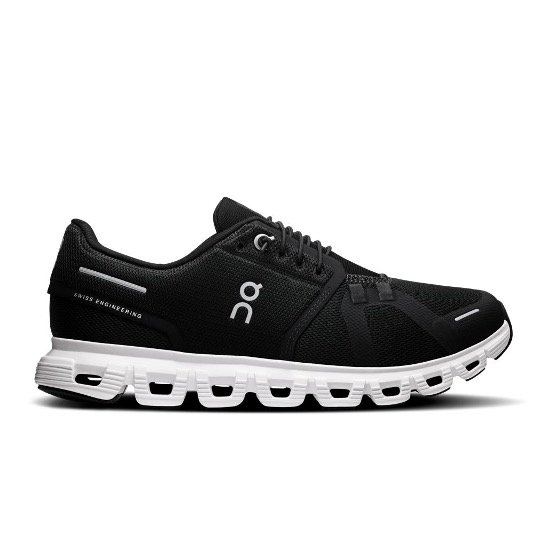
The change was partly triggered by “On Holding AG”, a fast-growing sports brand, headquartered in Switzerland, shoes largely manufactured in Vietnam was previously challenged for using the Swiss cross. Under the new interpretation, companies like On can now highlight their Swiss innovation roots, even with global production.
Some business leaders warn that reducing “Swissness” to design alone could dilute trust in the label.
Government Sources & Further Reading
Read more in this link about Swiss Federal Institute of Intellectual Property, Swissness legislation and trademark rules Federal Department of Justice and Police, Legal framework for origin labelling Swiss Federal Statistical Office, Economic impact of national branding
These institutions provide official guidance on how “Swiss Made” is defined, enforced, and evolving.
“Made in Switzerland” has long stood for authentic production rooted in Swiss craftsmanship. But as globalisation reshapes supply chains, Switzerland is redefining what counts as “Swissness.”
The shift toward recognising Swiss research and engineering marks a new phase, balancing tradition with economic reality.
The “Swiss Cross” Ruling (2026)
As of March 23, 2026, the IPI clarified that the Swiss Cross logo (white cross on red) can now be used on products developed in Switzerland even if they are manufactured entirely abroad (e.g., On shoes manufactured in Vietnam). However, the written label “Made in Switzerland” remains strictly reserved for products that meet the manufacturing thresholds of Switzerland.
Looking ahead, the meaning of “Made in Switzerland” is increasingly being shaped not only on factory floors, but in laboratories, design studios, and innovation hubs across the country. Institutions such as ETH Zurich and EPFL, along with a dense network of startups and advanced industries, continue to anchor Switzerland’s global reputation for cutting-edge research and engineering excellence. As companies globalize production, it is this intellectual and innovation capital from precision engineering to life sciences and deep tech that sustains the credibility of the Swiss brand. The shift toward recognizing “Swiss Engineering” and “Swiss Research” reflects a broader truth: the future of “Swiss Made” will depend less on geography alone, and more on the origin of ideas, design, innovation and technological leadership that continue to define Switzerland’s unique value in the world.